
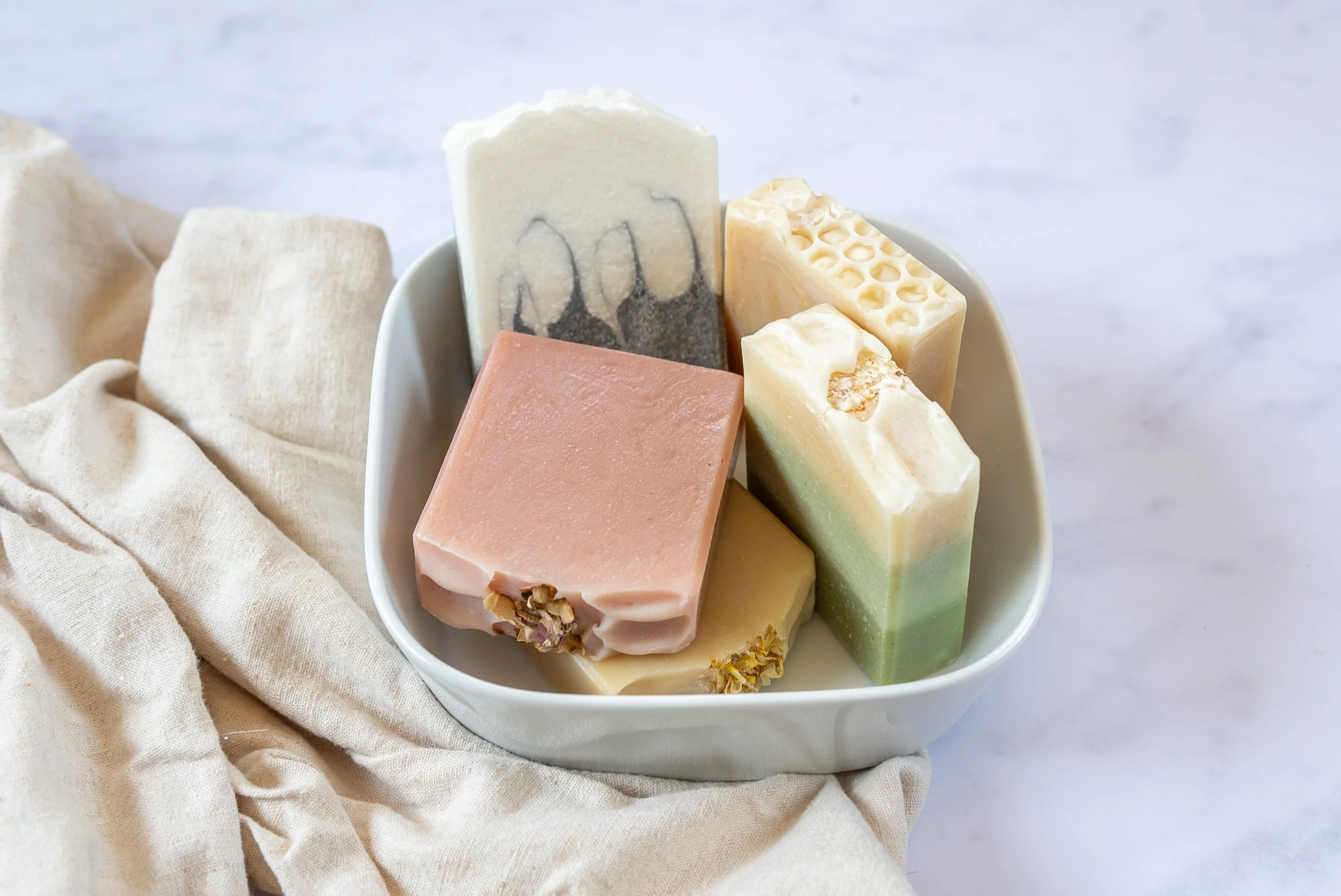
Not all handmade soaps are created equal. While two bars may look similar, the ingredients used, how they're combined and the way they're made can result in very different cleansing experiences.
At Ivy Soap House, we believe a quality handmade soap starts with thoughtfully selected ingredients and a well-balanced recipe. From rich plant-based butters to botanical infusions, every ingredient has a purpose.
So, what makes a good handmade soap, and why does the choice of oils and butters matter?
1. Why the Ingredients in Handmade Soap Matter
The oils and butters used in soapmaking influence everything from the hardness of the bar to its lather, cleansing properties and how it feels on the skin.
Some oils produce beautiful bubbles, while others contribute creaminess or a more conditioning-feeling wash. The secret isn't simply using natural ingredients, but understanding how they work together.
That's why we carefully balance our recipes rather than relying on a limited selection of ingredients.formulations simply to reduce ingredient costs.
2. The Oils & Butters Behind a Quality Handmade Soap
One of the things we love about traditional soapmaking is the ability to combine different plant-based oils and butters, each bringing its own qualities to the finished bar.
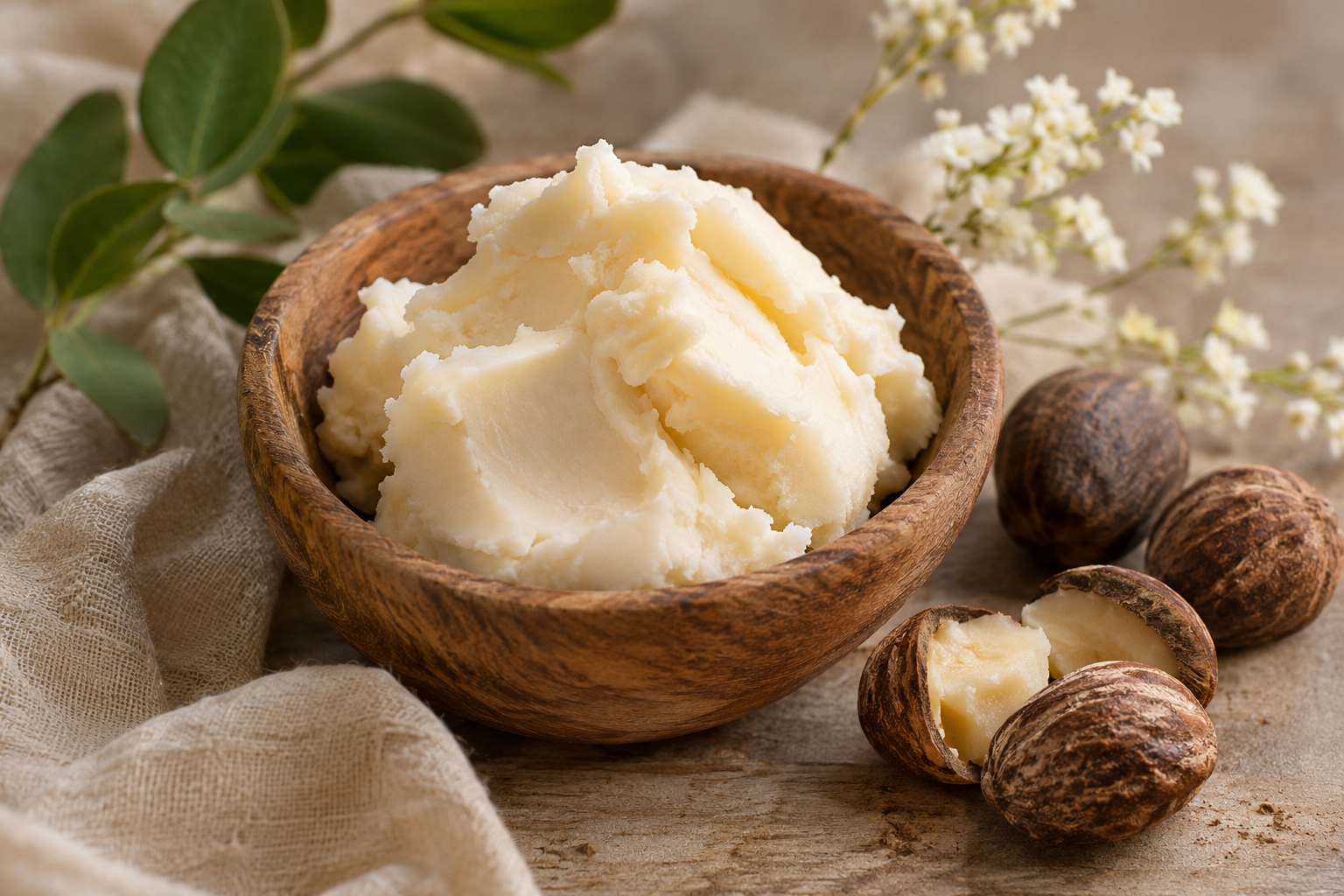
Shea Butter – Rich and Conditioning
Rich in fatty acids, shea butter helps create a firm, long-lasting soap with a creamy lather and a smooth, conditioning feel. It's one of our favourite ingredients for adding richness to a handmade soap formulation.
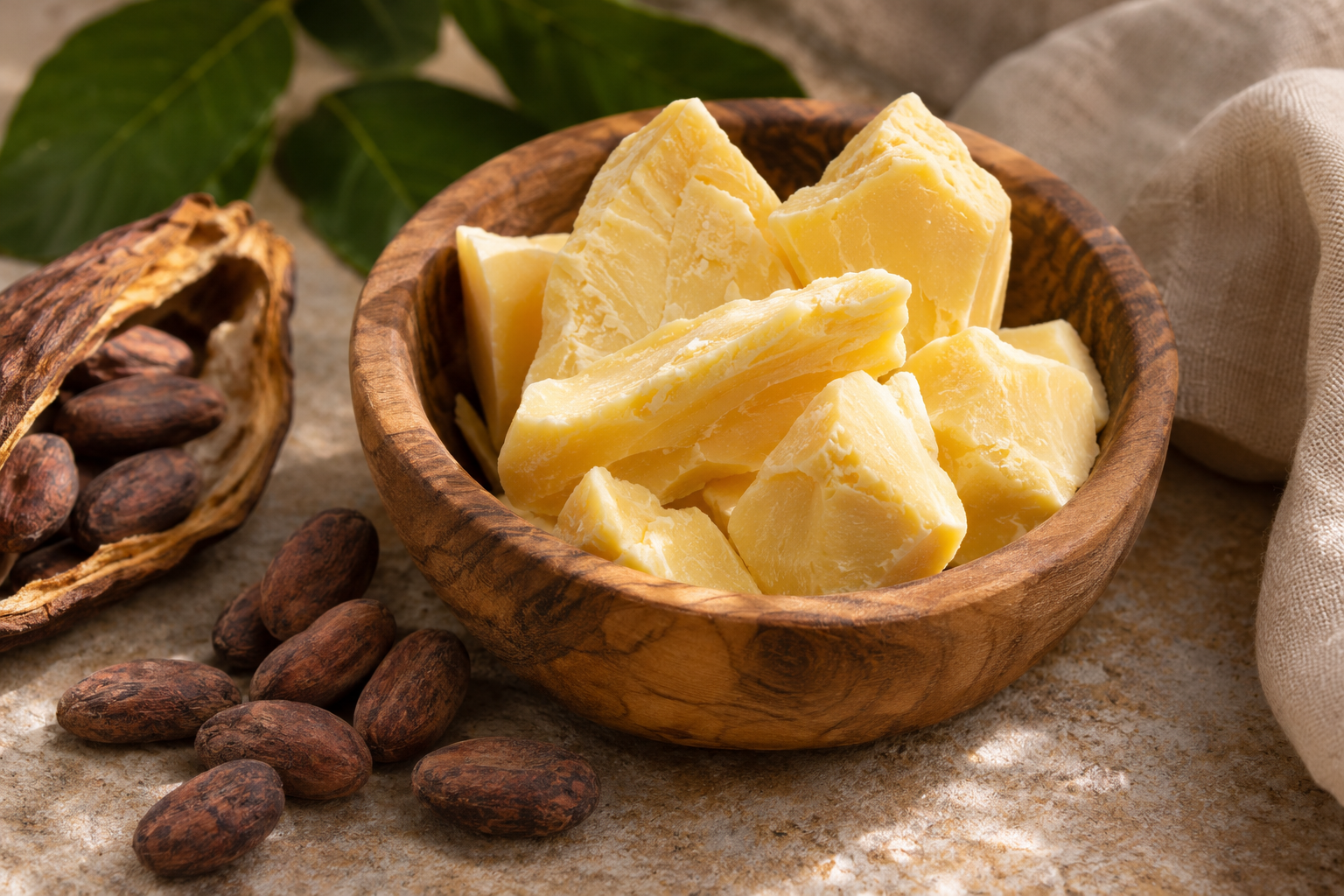
Cocoa Butter – Creaminess and Hardness
Naturally rich in stearic and palmitic acids, cocoa butter contributes to a harder, more durable bar with a dense, creamy lather. It works beautifully alongside other plant-based oils to create a well-balanced soap.
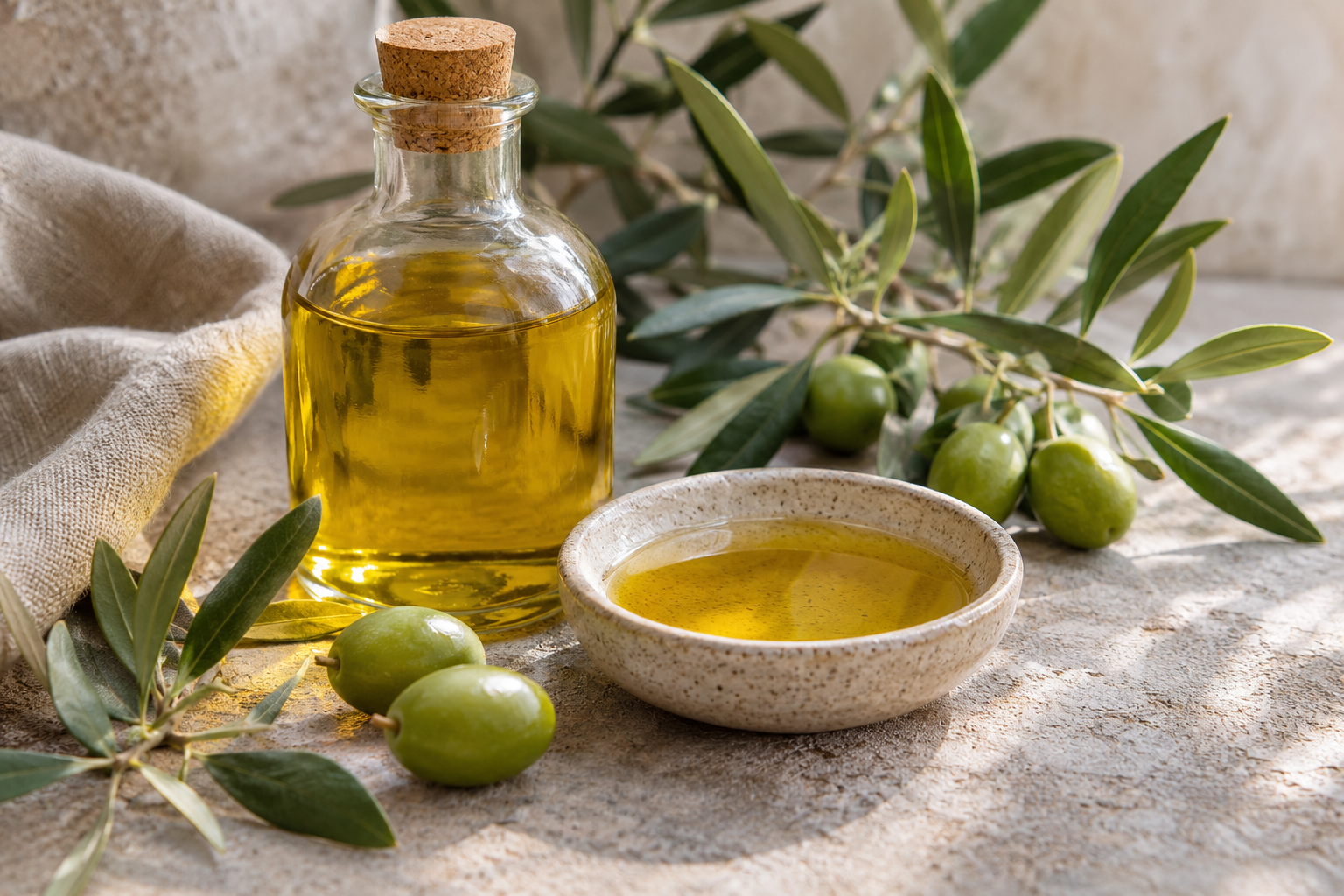
Olive Oil – A Traditional Soapmaking Favourite
Used in soapmaking for centuries, olive oil is rich in oleic acid and helps create a mild, conditioning-feeling soap with a smooth lather. Its long history in traditional soapmaking makes it a valuable ingredient in our recipes.
Coconut Oil – Beautiful Bubbles and Cleansing
Coconut oil helps produce a bubbly, effective cleansing lather. However, too much can make soap feel overly cleansing, which is why we carefully balance it with other oils and butters.
Sweet Almond Oil – A Thoughtful Addition
Naturally rich in oleic acid, sweet almond oil contributes to the overall fatty acid balance of a soap recipe, helping create a pleasant, conditioning-feeling wash.
Together, these ingredients demonstrate why a quality handmade soap is about the balance of the entire formulation, not simply one standout ingredient.
3. How We Make Our Cold-Process Soaps
At Ivy Soap House, we make our soaps from scratch in small batches using the traditional cold-process method.
This involves carefully blending plant-based oils and butters with an alkali solution, triggering a chemical reaction called saponification that transforms them into soap.
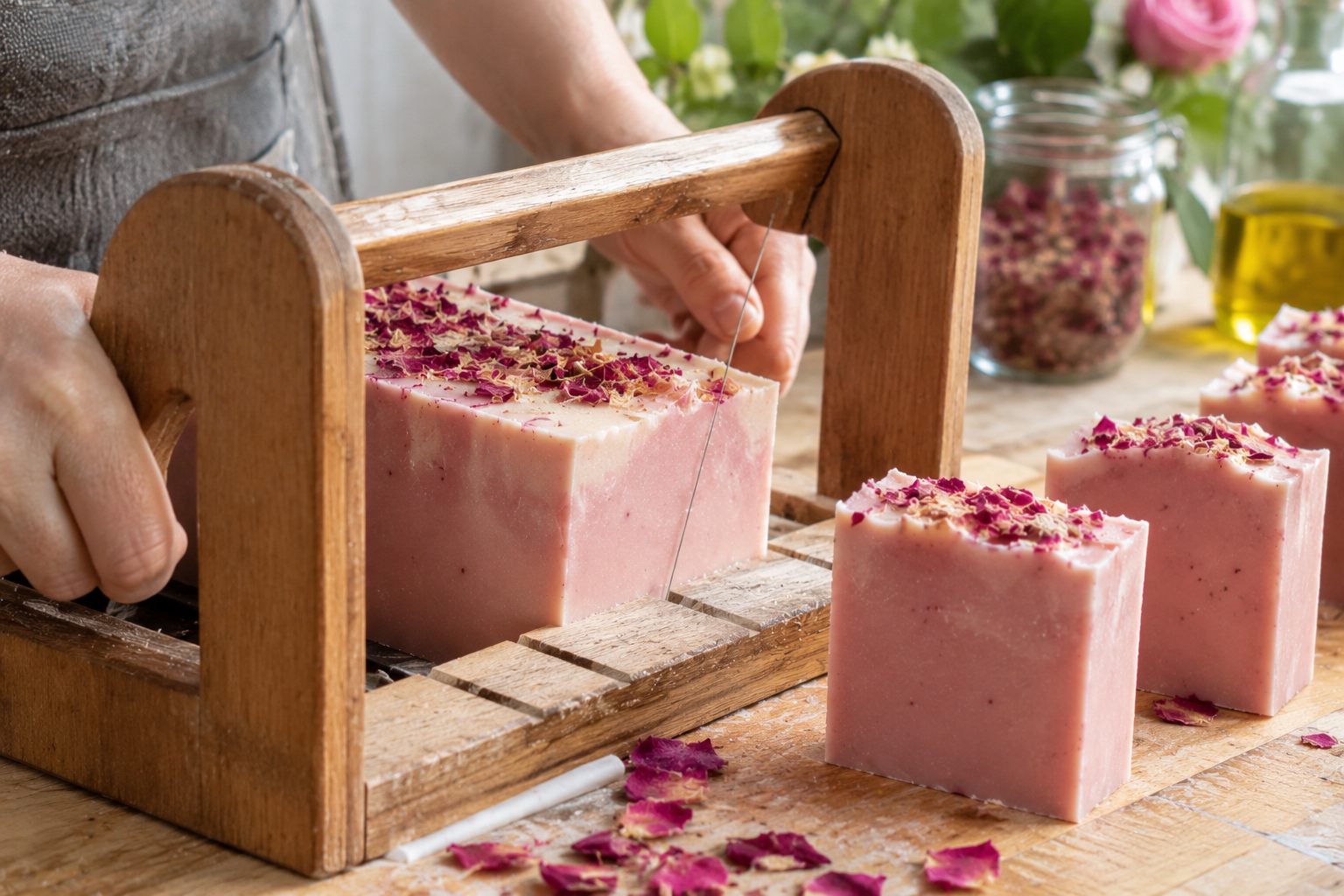
We then add our chosen clays, botanicals and essential oils before pouring the mixture into moulds. Once set, each loaf is cut into individual bars and left to cure.
Why Does Curing Matter?
During curing, excess water gradually evaporates and the soap becomes harder and longer-lasting. It's an essential stage that takes time and patience.
Working in small batches allows us to pay close attention to every step, from formulation to finishing. Slight variations in colour, pattern and shape are part of what makes each handmade bar unique.Why Does Handmade Soap Need to Cure?
4. Clays, Botanicals & Other Natural Ingredients
Beyond our base oils and butters, we incorporate a variety of botanical ingredients to give our handmade soaps their distinctive colours, textures and fragrances.
Natural Clays
Clays such as kaolin and glacial marine clay are valued for their absorbent properties and the texture they bring to soap. They also help us create beautiful natural colours and patterns.
Activated Charcoal
Known for its porous structure and adsorption properties, activated charcoal is a popular ingredient in cleansing formulations. In our soaps, it also creates striking dark colours and contrasts.
Botanical Infusions
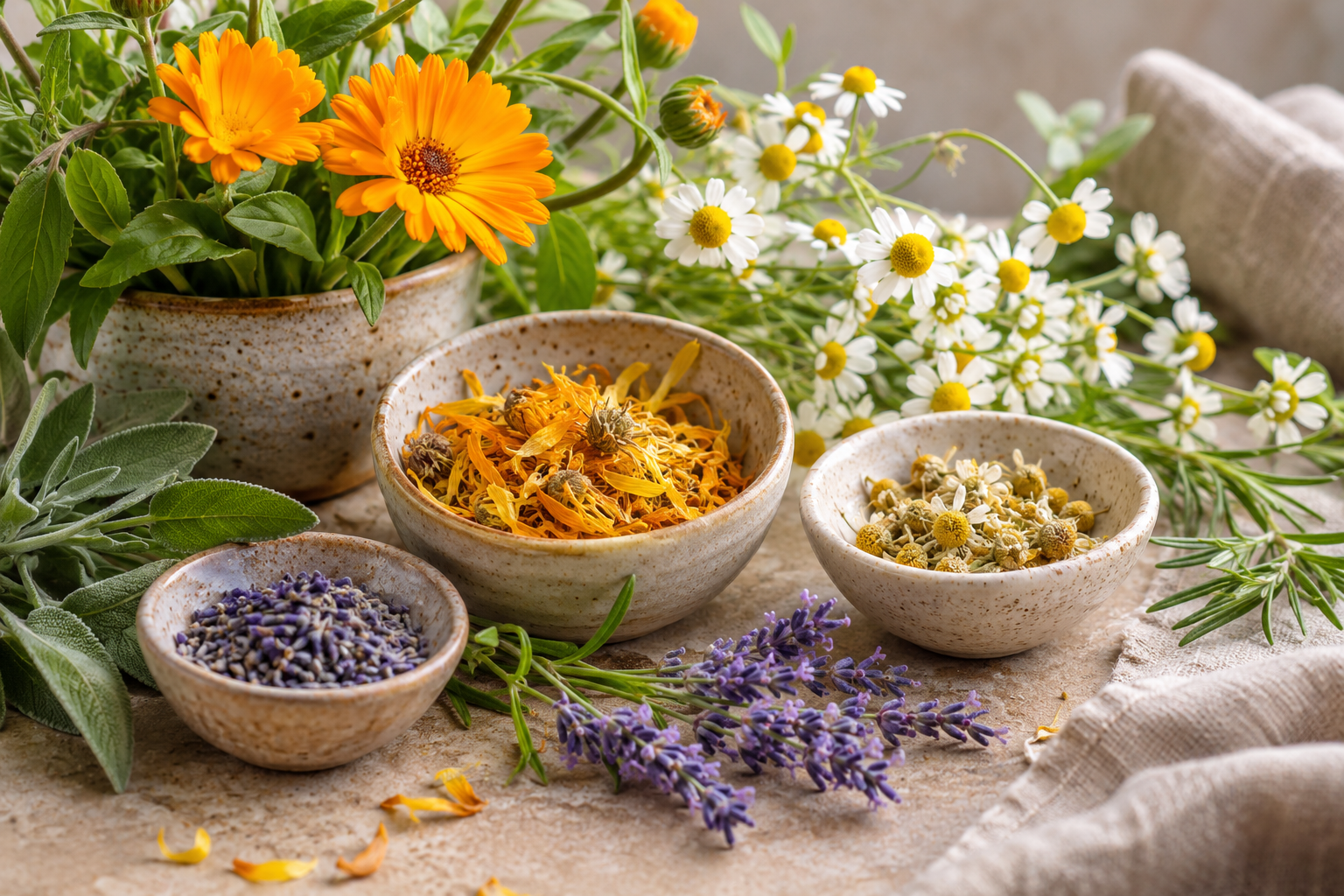
Calendula and chamomile have a long history in traditional botanical skincare. We incorporate these ingredients into selected recipes, including our Harmony soap, which combines botanical infusions with yellow kaolin clay.
Essential Oils
Essential oils bring natural fragrances to our soaps, from refreshing eucalyptus and spearmint to delicate neroli and palmarosa.
We carefully select our blends to create different scent experiences, although even natural essential oils can cause sensitivity in some people.
Oats – A Gentle Ingredient for Sensitive Skin
Oats have long been valued in skincare for their gentle, comforting properties, particularly in products designed for dry, delicate and sensitive skin.
Naturally containing compounds such as beta-glucans and avenanthramides, oats are widely appreciated for their skin-conditioning qualities. When finely ground and added to handmade soap, they can also provide mild exfoliation without the harshness of coarser ingredients.
We use oats in our Fresh Oasis soap, alongside glacial marine green clay and a refreshing blend of lemongrass and peppermint essential oils.
Honey & Turmeric – Golden Ingredients with a Rich Skincare Heritage
Honey and turmeric have been treasured in traditional beauty rituals for centuries, each bringing distinctive qualities to skincare formulations.
Honey is a natural humectant, meaning it attracts moisture. In cold-process soapmaking, it can also enhance lather and contribute to the character of the finished bar.
Turmeric is known for its beautiful golden colour and naturally contains curcumin, a compound studied for its antioxidant properties. In handmade soap, it adds a warm, earthy colour and a touch of botanical tradition.
Our Golden Glow soap combines raw honey and turmeric with plant-based oils and sweet orange essential oil, creating a beautifully golden cleansing bar.
5. Is Handmade Soap Better Than Commercial Soap?
Not all commercial soaps are the same, and handmade soap isn't automatically better simply because it's handmade.
Some commercial bars are traditional soaps, while others use different cleansing agents. Both can be formulated to cleanse effectively.
What we love about cold-process soapmaking is the freedom to select our ingredients, balance our recipes and create soaps with their own distinctive character.
For us, quality comes down to the ingredients, the formulation and the care taken during production.
6. What Should You Look for When Buying Handmade Soap?
If you're considering switching to handmade soap, here are a few things worth looking for:
Clear ingredient lists: Look for transparency about what goes into your soap.
Thoughtful formulations: Consider the oils and butters used, not just the fragrance or appearance.
Suitable fragrances: Choose scents you enjoy while considering any known skin sensitivities.
Proper curing: Traditional cold-process soap benefits from an appropriate curing period.
Responsible packaging: Look for plastic-free options if reducing packaging waste matters to you.
Remember, the most expensive soap isn't necessarily the best. What matters is finding a well-made bar that suits your preferences and that you enjoy using.
Discover Handmade Soap at Ivy Soap House
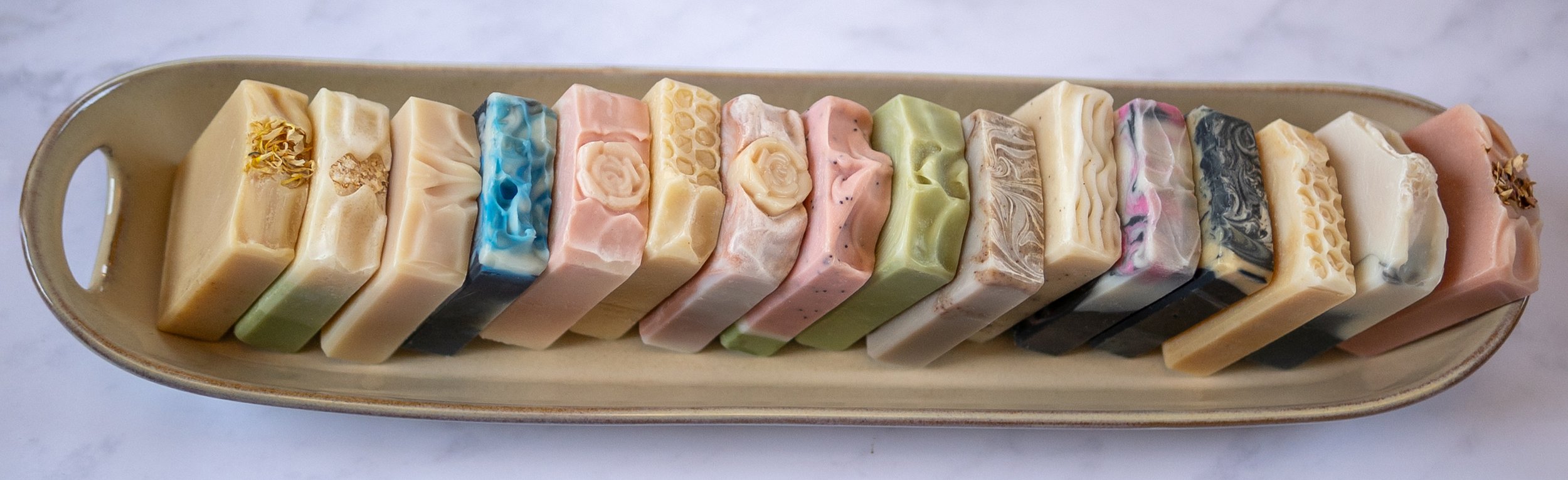
Every soap we make has its own combination of ingredients, colours and botanical fragrances.
From the floral notes of Blossom to the calendula and chamomile in Harmony, or the refreshing eucalyptus and spearmint of Northern Lights, there's something to suit different preferences.
Made in small batches in Sarratt, Hertfordshire, our soaps bring together traditional soapmaking, thoughtfully selected ingredients and plastic-free packaging.
Explore our handmade natural soap collection and discover your next favourite bar.
Handmade in Sarratt, Hertfordshire | Small-batch cold-process soap | Plant-based oils and butters | Plastic-free packaging | UK delivery available
